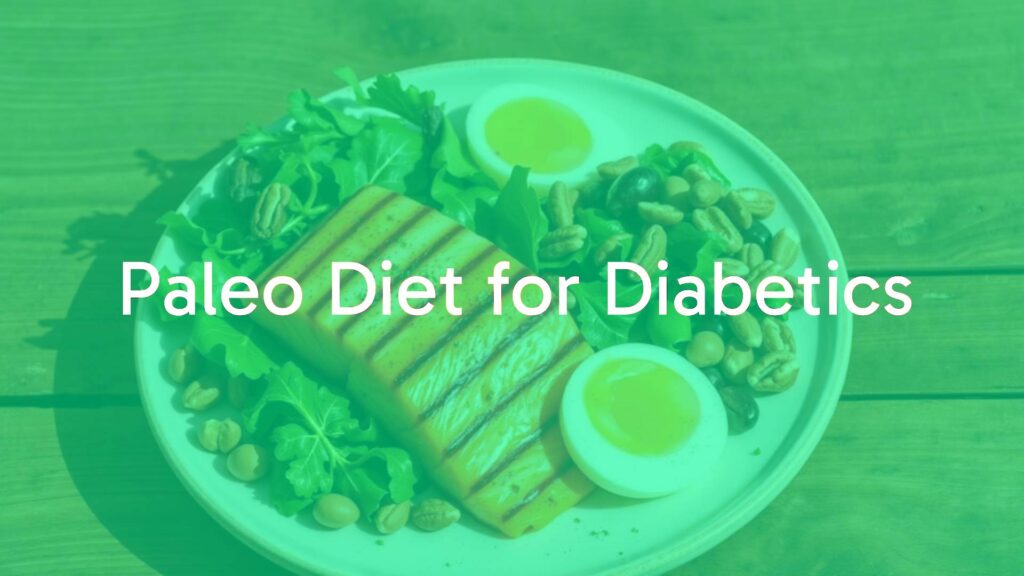
The Paleo diet-sometimes called the “caveman diet”-has become quite popular among people interested in better health. If you have diabetes, especially type 2, you might wonder if eating like our ancient ancestors could help you control your blood sugar. The focus on natural, whole foods and low carbs in the Paleo diet can make a difference for some people with diabetes. This article explains what the Paleo diet is, how it affects blood sugar and insulin, the pros and cons, and offers practical advice for diabetics considering this way of eating.
What Is the Paleo Diet? How Does It Connect to Diabetes?
The Paleo diet is based on eating foods similar to what humans ate long ago-before modern farming and food processing. The idea is that our bodies work best when we eat foods we evolved with, mainly fresh meat, fish, plants, eggs, nuts, and seeds. The diet excludes processed foods, grains, legumes, and most dairy products. Supporters of the Paleo diet believe that eating this way helps prevent or manage diseases like type 2 diabetes that may result from today’s processed foods and high-carb diets.
Basic Rules of the Paleo Diet
- Eat food you can hunt, fish, or gather-think lean meats, seafood, eggs, fruits, vegetables, nuts, and seeds.
- Avoid processed foods, grains, most dairy, legumes, added sugar, artificial ingredients, and processed oils.

People who support the Paleo diet say that by eating more fiber, vitamins, and minerals, and by skipping foods that might upset blood sugar, you can help your body run better. They also believe that avoiding foods introduced after humans started farming might lower inflammation and improve gut and metabolic health-important factors in diabetes management.
What Foods Can You Eat or Should You Avoid?
| Paleo-Friendly Foods | Foods to Cut Out |
|---|---|
|
|

How Is Paleo Different from Standard Diabetes Diets?
The usual diabetes diet often still lets you have whole grains, low-fat dairy, and a variety of food groups in controlled portions. The Paleo diet cuts out whole food groups-like all grains and most dairy-that many regular diabetes diets include. With Paleo, you naturally eat fewer carbs and more protein and fiber. This can lead to better blood sugar balance and feeling full with fewer calories, which may help with weight and diabetes care.
How Does the Paleo Diet Affect Blood Sugar and Insulin?
People with diabetes work hard to manage blood sugar and support healthy insulin levels. The lower-carb, high-protein, moderate-fat style of the Paleo diet can make a big difference in how your body reacts to food sugars and insulin.
Lower Fasting Glucose
Your fasting blood sugar is very important if you have type 2 diabetes. Since the Paleo diet avoids quick-digesting carbs and sugar, it usually leads to more stable and lower fasting blood sugar. Some research has found that people with type 2 diabetes get better fasting blood sugar results on Paleo than on standard diabetes diets.
Improved HbA1c (Long-Term Blood Sugar)
HbA1c shows your average blood sugar over months. Because Paleo keeps your daily carbs low and avoids high-sugar foods, people often see their HbA1c go down when switching to this diet. Many small studies found short-term improvement, but longer-term studies show that results may be similar to other healthy diets (like the Mediterranean diet) over time. The most benefit seems to come from consistent, lower-carb eating.
Better Insulin Sensitivity
With type 2 diabetes, your body has more trouble using insulin. Paleo can help by lowering the overall sugar load on your pancreas, giving your body a break and letting insulin work better. Because the diet also cuts back on foods linked to inflammation and focuses more on natural ingredients, it may further support better insulin response and healthier cholesterol levels. Some early studies found people with type 2 diabetes had better insulin use and cholesterol numbers after going Paleo for a few weeks.

Main Benefits of the Paleo Diet for Diabetics
The Paleo diet helps with diabetes in several ways besides just blood sugar. Here are three of the biggest:
Less Inflammation and Stress on Cells
Diabetes often comes with chronic inflammation, which can make things worse. Because Paleo skips foods like sugar, processed oils, and gluten grains-often tied to more inflammation-it may help calm the body down. Eating more fruits and veggies gives you antioxidants, which help protect body cells from damage caused by diabetes.
Weight Loss and Leaner Body
Losing weight is one of the best things you can do to improve type 2 diabetes. Paleo can help you lose weight because it focuses on filling foods (protein, fiber) and leaves out many high-calorie, low-nutrition processed foods. Many studies find people lose pounds and have smaller waists when switching to Paleo. This, in turn, also helps with blood sugar and reduces the need for medications.
Better Heart Health
People with diabetes have a higher risk of heart problems. Several studies show that Paleo may help lower blood pressure, improve cholesterol, and reduce triglycerides. Focusing on lean meats, fish, nuts, and olive oil gives the body more heart-supporting fats and nutrients.

| Benefit | How Paleo Supports It |
|---|---|
| Lower inflammation | Cuts out foods that may trigger inflammation; includes antioxidants |
| Weight loss | Higher protein and low-calorie density; increased fullness |
| Heart health | Supports healthy fats, lowers blood pressure, improves cholesterol profile |
Risks and Things to Think About with Paleo for Diabetes
While Paleo may be helpful, it’s important to know what to watch for if you have diabetes.
Possible Nutrient Shortages
Because Paleo leaves out whole grains, beans, and most dairy, you could miss out on certain nutrients, such as B vitamins, magnesium, fiber, calcium, and vitamin D. Leafy greens and nuts help, but it can still be hard to get enough calcium without dairy. Consider adding foods like spinach, broccoli, sardines, or fortified non-dairy milks-or talk to a dietitian about whether you need supplements.
Low Blood Sugar for People on Medication
If you take insulin or medicines to lower blood sugar, dropping carbs suddenly (as with Paleo) can cause your sugar to get too low. This can be dangerous, leading to shakiness, dizziness, or worse. It’s very important to work with your doctor if you adjust your diet. You’ll probably need a lower medicine dose and closer blood sugar checks.
Safety for Type 1 and Type 2 Diabetes
- Type 2 diabetes: Most people can handle Paleo well, and it may reduce medicine needs or lead to remission if combined with weight loss.
- Type 1 diabetes: Paleo can help steady blood sugar and may lower the insulin you need, but you’ll still require some insulin because your body doesn’t make enough. Paleo won’t cure type 1 diabetes.
People with kidney problems or certain medical issues should avoid high-protein diets or check with a doctor first.
Tips for Trying the Paleo Diet with Diabetes
How to Start Paleo Safely
- Don’t switch all at once; make changes bit by bit over several weeks.
- Start by cutting out the most processed foods and sugars.
- Next, drop grains and legumes, replacing them with more vegetables and lean meats.
- If you take diabetes medicine, work with your doctor throughout the process-the drop in carbs will probably require medicine changes.
- Check your blood sugar often in the first days and weeks to catch any lows early.
Paleo-Friendly Meals for Diabetics
- Breakfast: Eggs scrambled with spinach and avocado, or a smoothie with berries, protein powder, and almond milk.
- Lunch: Salad with chicken or salmon, lots of non-starchy veggies, and olive oil dressing.
- Dinner: Baked fish with roasted asparagus, or a stir-fry with turkey or shrimp and mixed veggies.
- Snacks: Nuts, sliced apple with almond butter, or veggie sticks with guacamole.

Stick with lean protein, lots of vegetables, and healthy fats. Go easy on fruit and starchy veggies because of their natural sugars.
Foods to Skip and Healthy Substitutes
- Grains: Replace with cauliflower rice, zucchini noodles, or lettuce wraps.
- Legumes: Use nuts and seeds for crunch and protein instead.
- Dairy: Try unsweetened almond or coconut milk, and plant-based cheese alternatives.
- Sugar and Sweeteners: Choose whole fruit or use a tiny bit of honey occasionally; avoid packaged sweets.
- Processed Oils: Choose olive oil, coconut oil, or avocado oil.
- Packaged Foods: Pick foods that only have one ingredient, like a fresh apple or plain roast chicken.
When to Ask for Medical Advice
- If you’re on diabetes medications-dosages usually need to change with low-carb diets.
- If you’re unsure about getting enough calcium, vitamin D, or other nutrients.
- If you have other health concerns-like kidney problems or digestive issues.
- To measure your progress and adjust your plan as needed.
Common Questions about Paleo for Diabetics
What Results Should I Expect?
Most people with diabetes notice better blood sugar numbers (lower fasting glucose and HbA1c), weight loss, and sometimes an improvement in cholesterol and blood pressure. Many people also report having more energy and less hunger. Results may be best early on, as longer-term studies show results may be similar to other healthy diets over time.
Can I Stop Taking My Medicine If I’m on Paleo?
Sometimes people need less diabetes medicine when they adopt the Paleo diet, especially if they lose weight or catch diabetes early. But never stop or lower your medicine on your own-always talk with your doctor and check your blood sugar often as you make changes. People with type 1 diabetes will always need insulin, even if Paleo helps control blood sugar swings.
Is Paleo Good for Prediabetes?
Paleo can work well for people with prediabetes. It helps keep blood sugar stable, improves how you use insulin, and supports losing weight, which lowers the risk of developing diabetes. Make sure to check with your doctor first.
