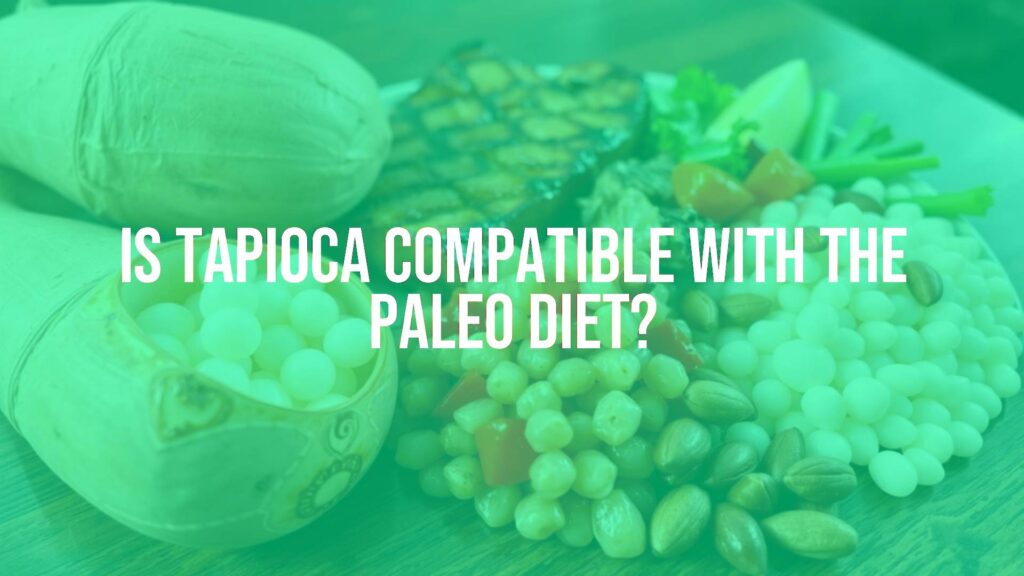
Tapioca and the Paleo Diet: Can It Find a Place?
Tapioca, a starch extracted from the cassava root, often makes an appearance in gluten-free cuisines and processed foods as thickeners or pearls. But does this starchy ingredient align with the nutritional philosophy of the Paleo diet? In this article, we’ll explore whether tapioca fits within Paleo guidelines, the reasons for its inclusion or exclusion, and offer practical suggestions for those following a Paleo approach.
What Is at the Heart of the Paleo Diet?
The Paleo diet seeks to imitate the eating habits of Paleolithic hunter-gatherers, centering on foods presumed to be available before the rise of agriculture and processed foods. Emphasis is placed on eating whole, unprocessed foods such as meats, seafood, eggs, vegetables, fruits, nuts, seeds, and healthy fats like olive and coconut oil. The diet typically excludes grains, legumes, refined sugars, dairy, industrial seed oils, and most processed products. The goal is to support optimal health by avoiding foods considered evolutionarily novel or inflammatory.
Is Tapioca Paleo? Taking a Closer Look
As a pure starch derived by processing the root of the cassava plant, tapioca is not considered strictly Paleo. The primary reasons are:
- Level of Processing: While cassava itself is a root vegetable (which would ordinarily make it a Paleo food), tapioca undergoes significant processing to extract the starch, stripping away nearly all fiber and micronutrients in the process.
- Macronutrient Profile: Tapioca is virtually pure carbohydrate, with little protein, fat, fiber, vitamins, or minerals — a stark contrast to the nutrient density prized by Paleo eating.
- Historical Context: Hunter-gatherers would have eaten whole roots, not isolated starches derived through modern methods.
Some modern Paleo practitioners allow occasional use of tapioca starch in small amounts, especially for baking or as a thickener, but it’s viewed as an exception rather than a staple.
Why Tapioca Is Limited on Paleo: Nutritional Perspective
There are several reasons tapioca starch is at odds with core Paleo values:
- Lack of Nutrient Density: Tapioca delivers calories almost exclusively from carbohydrates, lacking vitamins, minerals, and other beneficial compounds.
- High Glycemic Impact: Its starches are rapidly digested, causing quick spikes in blood sugar levels — not ideal for metabolic health.
- Potential for Overuse: Its popularity in gluten-free and processed Paleo-style products can shift the diet away from whole foods.
For these reasons, tapioca should be used only occasionally, if at all, and not as a dietary staple for those committed to the Paleo lifestyle.
Paleo-Friendly Alternatives to Tapioca
If you’re looking for thickeners, binders, or starchy elements in your Paleo meals, consider these alternatives:
- Arrowroot Flour: Another root-based powder, often considered more Paleo-appropriate due to its slightly lesser degree of processing.
- Coconut Flour: Offers fiber and some beneficial fats along with binding ability in recipes.
- Mashed Root Vegetables: Use pureed sweet potatoes, parsnips, or other safe starches to thicken stews or sauces.
- Vegetable-Based “Pearls”: For recipes that mimic the texture of tapioca pudding, try chia seeds soaked in coconut milk for a nutrient-rich, paleo-compliant alternative.
Steering Clear of Tapioca on Paleo: What to Watch For
Tapioca is common in many gluten-free and processed foods. Here are some tips for Paleo purists:
- Check ingredient labels for “tapioca starch” or “tapioca flour” in baked goods, tortillas, and snacks.
- Be mindful of the use of tapioca pearls in desserts like puddings and bubble tea (boba).
- Opt for products specifically labeled Paleo-friendly, but always double-check for hidden starches or fillers.
- When dining out, ask about thickening agents or gluten-free flours used in recipes.
Frequently Asked Questions About Tapioca and Paleo
Is cassava root itself Paleo?
Whole cassava root, when cooked properly, can be considered Paleo. The processing involved in making tapioca removes beneficial fiber and nutrients, which is why whole cassava is preferred.
Can I use small amounts of tapioca in Paleo baking?
Some Paleo-minded individuals use tapioca sparingly in baking to improve texture, but it should not become a regular component of the diet.
Are tapioca pearls used in bubble tea Paleo?
No, tapioca pearls are processed starch and offer little nutritional value; plus bubble tea drinks usually contain added sugars and dairy, making them non-Paleo on several fronts.
What are better thickening agents for Paleo cooking?
Arrowroot powder, coconut flour, or simply pureeing cooked root vegetables are better options for thickening soups and sauces.
Final Thoughts: Navigating Tapioca on a Paleo Diet
While tapioca starch may occasionally appear in Paleo-adapted recipes, it does not embody the core principles of a nutrient-dense, whole-foods Paleo lifestyle. Those wishing to maintain the purest approach should seek out alternatives, favoring whole roots, vegetables, and minimally processed binders and thickeners. Remaining mindful of ingredient choices ensures you honor Paleo principles while enjoying a diverse and satisfying diet.
