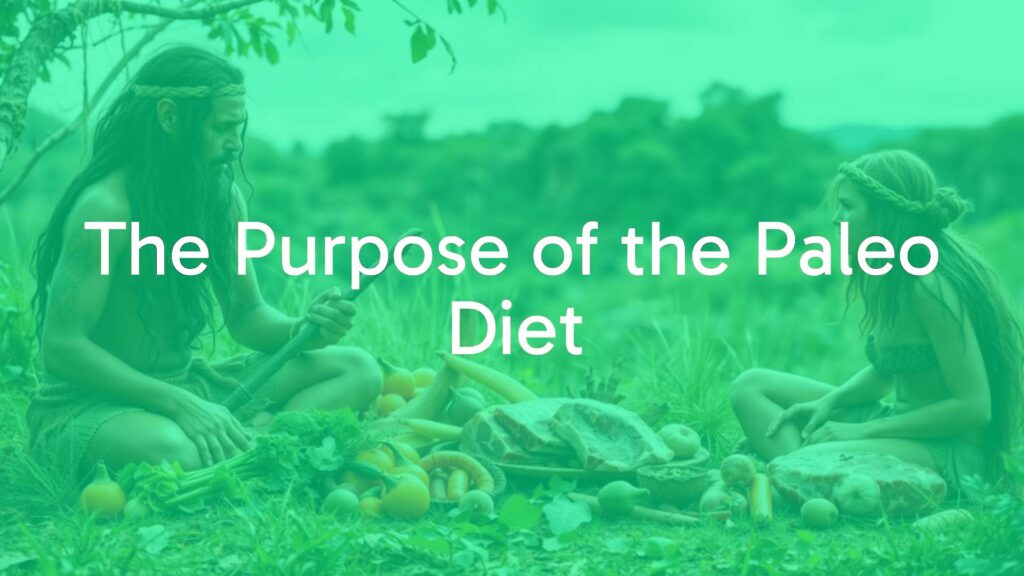
The Paleo diet, also known as the Paleolithic diet, Stone Age diet, hunter-gatherer diet, or caveman diet, is a way of eating that tries to copy what humans ate during the Paleolithic Era, which was about 2.5 million to 10,000 years ago-long before farming began. The main idea of the Paleo diet is to eat foods that early humans could have found by hunting or gathering. The supporters of this diet believe our bodies are best suited for these old-eating habits, and that switching to farm-based foods has caused many of today’s health problems, such as obesity, diabetes, and heart disease.

What is the paleo diet?
The Paleo diet is a modern eating plan based on how our ancestors ate during the Stone Age. The theory is that our bodies work best on foods we ate before farming started around 10,000 years ago. During this time, humans grew smarter and changed physically, possibly due to a diet full of foods with lots of nutrients and easy to digest.
Even though people from the Paleolithic era ate different foods depending on where they lived and what was available, today’s Paleo diet turns their habits into simple rules. It centers on natural, whole foods and cuts out much of what is common in today’s western diets. The diet became widely known after Loren Cordain, PhD, published “The Paleo Diet” in 2002, building on earlier ideas from Dr. Walter Voegtlin and Dr. S. Boyd Eaton about differences between old diets and today’s health problems.
Key principles of the paleo diet
- Eat foods that could be hunted or gathered, such as:
- Lean meats (preferably from grass-fed animals or wild game)
- Fish high in omega-3 (like salmon and mackerel)
- Eggs
- Lots of fruits and vegetables
- Nuts and seeds
- Healthy oils from fruits and nuts (like olive oil and walnut oil)
- Avoid foods that became common after farming started, including:
- Grains (wheat, oats, barley, rice)
- Legumes (beans, lentils, peanuts)
- Dairy products
- Added sugars, salt, and processed foods
- Starchy vegetables like corn and white potatoes
- Highly processed foods (anything that looks like it was made in a factory)

What is the purpose of the paleo diet?
The main goal of the Paleo diet is to match the way people used to eat in the Stone Age. Supporters think our bodies haven’t changed much since then, even though what we eat has changed a lot, especially with farming and new food production. This difference between our genes and our food is believed to be a major reason for today’s common health problems.
By eating the foods our ancestors did, people hope to improve their health and avoid problems caused by processed foods. The diet focuses on foods full of nutrients and avoids grains, legumes, dairy, added sugars, and processed items. The idea is to use what we know about early humans to feel better and reduce health risks.
Main aims of the paleo diet
- Lower inflammation in the body by avoiding processed foods, added sugars, grains, and legumes.
- Improve how the body manages blood sugar and boost sensitivity to insulin, which helps with diabetes risk.
- Help with weight control by emphasizing foods rich in protein and fiber, which keep you full longer.
- Support a healthy lifestyle by sticking to what is thought to be a natural way of eating for humans.

Why do people choose the paleo diet?
- Many start the Paleo diet to lose weight, since it naturally cuts out foods high in calories and sugar, and includes filling proteins and fibers.
- Some want to lower their risk of illnesses like obesity, diabetes, and heart disease which they believe are linked to modern foods.
- Others see better digestion, less bloating, or fewer issues linked to sensitivities when they stop eating grains, dairy, or legumes.
- Athletes and those focused on fitness sometimes choose Paleo to feel more energetic and recover faster after exercise, believing it helps reduce inflammation and fuel their bodies better.
- The diet’s simplicity and focus on whole foods also attract those wanting a more “natural” way of eating.
Is the paleo diet for everyone?
The Paleo diet can work well for some but is not suitable for everyone. While its focus on natural foods is generally healthy, cutting out entire groups like grains, legumes, and dairy brings some problems. These foods have important nutrients like fiber, B vitamins, calcium, and protein, so leaving them out could mean you’re not getting enough of them unless you plan your meals very carefully.
The cost of foods like grass-fed meat and wild fish can also be higher, making Paleo hard for some people to afford. Strict rules can also make eating out or attending social gatherings more difficult. Some people, especially those with other health problems or a past of eating disorders, should only try Paleo with advice from a doctor or dietitian. In the end, whether Paleo fits you depends on your health, preferences, budget, and how comfortable you are with the restrictions. Talk to a health expert if you are not sure.
What are the health benefits linked to the paleo diet?
The Paleo diet, by cutting out modern, highly processed foods and focusing on whole ingredients, may offer several possible health benefits. These benefits come mainly from eating more foods with plenty of nutrients and skipping items that are common in western diets, like added sugars, unhealthy fats, and processed snacks.
| Potential Benefit | Description |
|---|---|
| Weight loss | Eating fewer processed foods and more protein and fiber can help people eat less overall and lose weight. |
| Better blood sugar control | Cutting sugar and grains leads to steadier blood sugar levels, which is helpful for people with, or at risk for, type 2 diabetes. |
| Lower risk of heart problems | Avoiding unhealthy fats and added sugar helps lower blood pressure and cholesterol, and can improve heart health. |
| Better digestion | Many who try Paleo report less bloating or stomach discomfort. |
| Reduced inflammation | Skipping processed foods and eating more foods with antioxidants (like fruits and veggies) may lower levels of inflammation in the body. |

Weight loss and changes in metabolism
Many people follow Paleo to help with weight loss. By skipping processed foods and added sugars, this diet usually leads to eating fewer calories. With high levels of protein and lots of vegetables, people often feel fuller and eat less throughout the day. Paleo may also help your body burn fat for energy.
Improved blood sugar control
The structure of the Paleo diet often leads to better blood sugar control, which is valuable for people with or at risk for diabetes. The diet’s focus on unprocessed foods and fiber-rich vegetables helps keep blood sugar steady.
Reduced heart disease risk
By eating more lean meats and fish, fresh vegetables, and cutting back on processed foods and added salt, the Paleo diet may improve cholesterol, lower blood pressure, and decrease heart disease risk.
Digestive and anti-inflammatory effects
Without grains, legumes, and dairy, some people notice less bloating and better digestion. Also, less sugar, fewer processed foods, and more foods packed with antioxidants may reduce inflammation in the body.
Are there risks or drawbacks to the paleo diet?
Although the Paleo diet may offer health perks, it is important to know its downsides and possible risks. The diet can be hard to keep up and may cause nutritional problems because it cuts out so many food groups. Also, science still has questions about the Paleo diet’s claims and how easy it is to follow in today’s world.
Before changing how you eat, especially in a big way, you should think about both the good and bad sides of the Paleo diet. Getting advice from a doctor or dietitian is always a good idea if you have health concerns.
Possible nutrient shortages
A main concern with Paleo is missing out on nutrients found in the foods it excludes, such as:
- Whole grains: Give fiber and B vitamins
- Legumes: Offer fiber, protein, iron, folate, and zinc
- Dairy: Important for calcium, vitamin D, and protein
If you don’t plan carefully, you might not get enough of these nutrients, especially calcium and fiber, which could be a problem for bone health over time. Even eating lots of fruits and veggies may not fully make up for this shortage.

Long-term safety and unanswered questions
- Most studies on Paleo are small and last only a few months, so we don’t know the effects of eating this way for many years.
- Some worry removing whole grains and legumes could be bad for your gut’s good bacteria and long-term health.
- Scientists don’t all agree that humans can’t handle modern foods, with some studies showing our bodies have kept changing even after the Stone Age.
Without large, long-term studies, many health experts are careful about strongly recommending the Paleo diet to everyone.
Summary of the paleo diet purpose
The Paleo diet is based on the belief that eating like our ancient ancestors can improve health and lower the chances of getting modern diseases by avoiding processed foods, grains, legumes, dairy, and focusing on foods like meat, fish, fruits, vegetables, nuts, and seeds.
Short-term research shows possible benefits for weight loss, blood sugar levels, and heart disease risk, but many of these results may come simply from eating better, less processed foods-something other healthy diets also encourage. The strict rules, and missing out on key nutrients from excluded foods, mean Paleo isn’t perfect for all, and there are still open questions about its safety over many years. Anyone thinking about long-term Paleo eating should make sure they plan their meals well or get help from a health professional so their nutrition stays balanced and suited to their needs. Eating with balance and choosing whole, healthy foods is usually the best path to long-lasting health.
