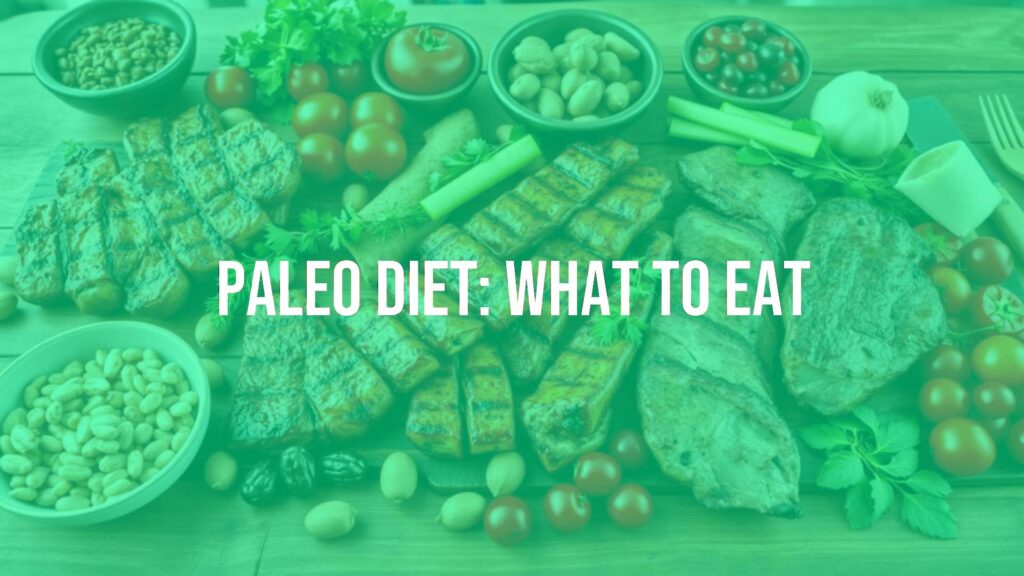
The Paleo diet, also known as the “Stone Age” or “caveman” diet, is based on eating patterns of our ancient hunter-gatherer ancestors from the Paleolithic Era, which lasted from about 2.5 million to 10,000 years ago. The main idea is that our bodies haven’t fully changed to handle foods that became common with farming about 10,000 years ago. Supporters of the diet believe this gap has led to many modern health problems, such as obesity, diabetes, and heart disease. So, what should you actually eat on this diet today? The key is to focus on natural, unprocessed foods you could hunt, fish, or gather, and to leave out foods brought by farming and modern processing.
Paleolithic diets varied greatly depending on location and available foods-some groups ate mostly animal foods while others ate more plants-but the modern Paleo diet offers a rough outline. It centers around foods packed with nutrients and leaves out items thought to be harmful, since they’re new to the human diet. Following the Paleo diet can help with weight management, better control of blood sugar, and less inflammation. The diet is flexible-you’re meant to adapt it to fit your needs rather than follow a strict set of rules, and you can take your time getting used to it.
Foods to Eat on the Paleo Diet
Eating Paleo means picking foods that are as close to their original form as possible. Think about what early people could collect, hunt, or fish. This covers animal proteins, fresh vegetables, healthy fats, and some nuts and seeds. The main focus should be on choosing high-quality foods full of good nutrients, giving your body what it needs to work well.

Animal Proteins: Meat, Fish, and Seafood
Animal proteins are a main part of the Paleo diet, reflecting what early hunters would have eaten. There are lots of options to keep meals interesting, such as beef, lamb, chicken, turkey, and pork. For the best results, try to choose grass-fed meats and wild game, which usually have more healthy omega-3 fats that can help lower inflammation and support your heart.
Fish and seafood are also important, giving you lean protein and more omega-3s. Choices like salmon, trout, haddock, shrimp, and shellfish are all encouraged. Wild-caught is best if you can find it. Eggs are another great protein source-they also contain healthy fats. Try to buy free-range, pastured, or omega-3 enriched eggs if possible for more nutrients. These animal foods give you much more than just protein-they’re full of important vitamins and minerals your body needs every day.
Vegetables You Can Eat on Paleo
Vegetables are a key part of the Paleo diet, providing fiber, vitamins, minerals, and antioxidants. The more colors and types you eat, the better. Most vegetables are welcome-think broccoli, kale, peppers, onions, carrots, and tomatoes. These form the base for many meals.
Don’t forget other healthy choices like cauliflower, Brussels sprouts, cabbage, bok choy, spinach, arugula, and mushrooms. Root veggies like sweet potatoes, yams, and turnips are also included and offer good carbs and fiber. White potatoes are sometimes discussed due to their starch, but plain, unprocessed versions are usually fine in moderation. Try to eat a variety of vegetables every day to get a range of nutrients for good digestion and overall health.
Fruits and Berries for Paleo
Fruits and berries bring natural sweetness, vitamins, and antioxidants-making them a tasty and healthy part of this diet. Whole, unprocessed fruits are preferred, just as early humans would have found them. Good picks include apples, bananas, oranges, pears, avocados, strawberries, and blueberries. These can help satisfy a sweet tooth while adding fiber and nutrients.
All fruits are generally allowed, but if you’re focused on weight loss or blood sugar, you might want to eat less of the high-sugar ones like grapes, mangoes, and sweet cherries. This is important since many fruits today are bred to be sweeter than they used to be. Berries, like strawberries and blueberries, are especially popular because they’re high in antioxidants and lower in sugar. Whenever possible, pick organic or wild fruits for even more nutrition.
Nuts and Seeds on the Paleo Diet
Nuts and seeds are a good choice for the Paleo diet since they have healthy fats, protein, fiber, and other nutrients. They make great snacks and can add crunch or flavor to meals. Some good nuts to eat are almonds, macadamia nuts, walnuts, and hazelnuts.
Seeds such as sunflower, pumpkin, and chia seeds are encouraged too-they’re rich in good fats and fiber. Nuts and seeds are high in calories, though, so eat them in small amounts if you’re watching your weight. Aim for raw, unsalted options without added ingredients. Nut butters made from only nuts, like almond butter, are also okay.
Healthy Fats and Oils
Healthy fats are an important part of the Paleo diet because they give energy and help your body use vitamins and make hormones. Choose natural, unprocessed fats similar to what would be found in the wild. Extra virgin olive oil is common-it’s full of good fats and antioxidants. Avocado oil is another good choice, especially for cooking because it can handle heat.
Coconut oil is used often because it contains MCTs, which are a quick source of energy. Natural fats from lean meats, fish, eggs, nuts, and seeds can be included too. Avoid refined vegetable oils like soybean or sunflower oil-they are highly processed and higher in omega-6 fats, which might cause problems if you get too much. Focus on simple, natural fats to help your body work better.

| Allowed Foods | Examples |
|---|---|
| Animal Proteins | Beef, lamb, chicken, turkey, pork, fish (salmon, trout), shellfish, eggs |
| Vegetables | Broccoli, carrots, kale, onions, sweet potatoes, Brussels sprouts |
| Fruits | Apples, bananas, berries, oranges, pears, avocados |
| Nuts & Seeds | Almonds, walnuts, macadamia, hazelnuts, sunflower seeds, pumpkin seeds |
| Healthy Fats | Extra virgin olive oil, coconut oil, avocado oil, fats from fish/meats |
Foods to Avoid on the Paleo Diet
The Paleo diet says to leave out foods that people only began eating after farming started. This means skipping many modern foods found in today’s diets, as our bodies may not handle them well.
Grains and Legumes
Grains and legumes are not included on the Paleo diet. Avoid foods like bread, cereal, pasta, wheat, rye, barley, and spelt. Even gluten-free grains like rice are generally not eaten on strict Paleo. The idea is that grains can be tough for many to digest and may cause inflammation.
Legumes, which include foods like beans, lentils, and peanuts, are also off the menu. Despite providing protein and fiber, they have certain parts (lectins, phytic acid) that could cause digestive problems or block some nutrient absorption, according to Paleo supporters. Avoiding grains and legumes is believed to match our original eating habits and may help people who have sensitivities.

Dairy Products
Dairy is typically not part of the Paleo diet either. Early humans didn’t consume dairy, and it only became a part of the human diet with the start of animal farming. Milk, cheese, and yogurt, especially low-fat versions, are not included.
A few less strict versions of Paleo allow for some dairy, such as grass-fed butter or full-fat cheese, for those who tolerate it. If you choose not to eat dairy, look for calcium elsewhere, like in leafy greens or unsweetened plant-based milks (without added sugars or artificial sweeteners).
Processed Foods and Added Sugars
The Paleo diet strongly avoids processed foods and added sugar. Anything made in a factory, especially with additives or artificial ingredients, is not suggested. These foods tend to be low in nutrition and high in unhealthy ingredients.
Say no to sodas, sweetened drinks, fruit juices (which are mostly concentrated sugar), candy, pastries, ice cream, and other treats made with added sugar. If you want to use a sweetener, stick to natural options like honey or dates, but only in small amounts. Cutting out these sugary and ultra-processed items helps you eat fewer empty calories and keeps your blood sugar levels steadier.
Some Vegetable Oils
Not all fats are equal on the Paleo diet. Vegetable oils such as soybean, sunflower, cottonseed, corn, grapeseed, and safflower oils are not recommended because they are heavily processed and high in omega-6 fats, which you should keep balanced with omega-3s.
Use healthier options like extra virgin olive oil, avocado oil, and coconut oil instead, as they are less processed and have a better fat profile.
| Foods to Avoid | Examples |
|---|---|
| Grains | Bread, pasta, rice, wheat, oats, barley, rye |
| Legumes | Beans, lentils, peanuts, soy products |
| Dairy | Milk, cheese, yogurt, butter (except grass-fed butter in some versions) |
| Processed Foods | Candy, chips, pastries, ready meals, sweets |
| Refined Sugars | Table sugar, soft drinks, sweetened cereals, ice cream |
| Certain Oils | Soybean oil, sunflower oil, corn oil, cottonseed oil |
What to Drink on the Paleo Diet
Staying hydrated is important and the Paleo diet chooses simple, natural drinks-mainly water, along with a few other options. This helps you avoid extra sugars or fake ingredients in many modern drinks.
Water, Coffee, and Tea
Water is the best drink for anyone on Paleo-it’s natural and has no added ingredients. Coffee and tea (without milk or sweeteners) are also fine, and both have antioxidants. Black coffee or plain tea is ideal. You can use unsweetened almond or coconut milk instead of regular milk if you want to lighten your coffee or tea.
Beverages to Skip
Avoid sugar-loaded drinks such as sodas, sweetened teas, and energy or sports drinks. Even fruit juices are generally discouraged, since they’re high in sugar without fiber. Stay away from beverages with artificial sweeteners.
Alcohol is mostly avoided on Paleo, but some people allow the occasional glass of red wine or certain spirits that don’t contain grains. Beer is not included because it is made from grains. The rule is simple-if it’s processed, full of sugar, or based on grains or dairy, don’t drink it.
Paleo Diet Shopping List
Shopping for Paleo foods is straightforward. Focus on the outer sections of the grocery store where you’ll find the freshest ingredients. Build your kitchen around quality basics with lots of variety.
Paleo Essentials to Buy
- Protein: Grass-fed beef, lamb, pork, chicken (prefer skinless), turkey, wild fish and seafood, eggs (from free-range or pastured birds)
- Vegetables: Fresh greens (lettuce, spinach, kale), tomatoes, peppers, carrots, onions, broccoli, cauliflower; frozen options like spinach and broccoli
- Fruits: Apples, bananas, pears, oranges, avocados, strawberries, blueberries
- Nuts & Seeds: Almonds, walnuts, macadamia, hazelnuts, sunflower seeds, pumpkin seeds (go for unsalted)
- Healthy Fats: Extra virgin olive oil, avocado oil
- Other: Sweet potatoes, herbs and spices (like sea salt, garlic, turmeric, rosemary)
Sample Paleo Diet Meal Plan
Starting a new way of eating can seem overwhelming, but a sample plan helps. The Paleo diet is flexible so you can swap foods and try new combinations using basic guidelines. Here’s a basic day and week to get ideas flowing.
Example Day on Paleo
- Breakfast: Scrambled eggs cooked with spinach, peppers, and onions (in olive oil), plus an apple or some berries
- Lunch: Chicken salad (shredded chicken, celery, carrots, olive oil, lemon, in lettuce leaves), with a handful of almonds or walnuts
- Dinner: Bunless burger (beef or bison) with steamed broccoli and salsa; OR baked salmon with roasted vegetables (asparagus, sweet potato)

Sample Weekly Paleo Menu
| Day | Breakfast | Lunch | Dinner |
|---|---|---|---|
| Monday | Eggs, vegetables (peppers, onions), berries | Chicken salad, nuts | Bunless burgers, broccoli, salsa |
| Tuesday | Bacon, eggs, banana | Leftover burgers | Baked salmon, Brussels sprouts, carrots |
| Wednesday | Leftover salmon, veggies | Lettuce-wrapped turkey, avocado, cucumber, tomato | Beef and veggie stir-fry (use coconut aminos), blueberries |
| Thursday | Eggs, orange | Leftover stir-fry, macadamia nuts | Pork chops, kale, mushrooms |
| Friday | Eggs, veggies, pear | Chicken salad, bell pepper | Grilled steak, salad, roasted sweet potatoes |
| Saturday | Bacon, eggs, mixed fruit | Leftover steak and vegetables | Baked tilapia, avocado, green beans |
| Sunday | Leftover tilapia, vegetables | Lettuce-wrapped chicken, fresh veggies | Grilled chicken wings, cauliflower rice, salsa |
Simple Paleo Snack Ideas
- Handful of toasted or raw mixed nuts
- Hard-boiled eggs
- Fresh fruit (apples, oranges, grapes)
- Raw vegetables (carrots, celery, bell peppers) with almond butter
- Dairy-free chia pudding with coconut milk and berries
Main Points: What to Eat and Avoid on Paleo
The Paleo diet focuses on eating simple, natural foods similar to what early humans ate-lean meats, fish, lots of vegetables, fruits, healthy fats, nuts, and seeds. Avoid grains, legumes, dairy, processed foods, added sugars, and factory-made oils. Many people feel better and notice improvements in weight and health when following this plan.
Remember, you can adjust the Paleo diet to suit your own needs. Some may include small amounts of foods like grass-fed butter or occasional white rice if it works for them. You don’t need to stick to it perfectly-for most people, swapping processed foods for fresh, nutrient-rich options is what makes the biggest difference. If you’re thinking about changing your diet, it’s a good idea to talk to your doctor or a nutritionist to make sure you’re getting everything you need for good health in the long run.