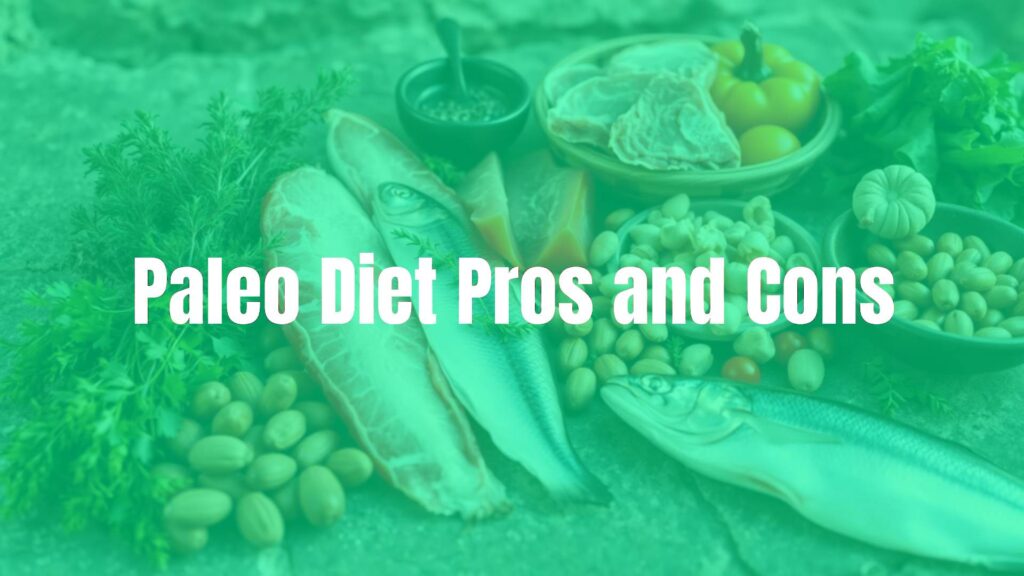
The Paleo diet, also known as the “Caveman Diet” or “Stone Age Diet,” is based on what people think our ancient hunter-gatherer ancestors ate. This period ranges from about 2.6 million to 12,000 years ago. The main idea is that our bodies work best with foods that existed before farming. However, people have mixed opinions about whether this old way of eating suits today’s needs. Like any diet, Paleo has both benefits and disadvantages. It’s important to look at all sides before deciding if this plan fits your life.
The Paleo diet focuses on foods you can hunt, catch, or gather: lean meats, fish, seafood, eggs, nuts, seeds, fruits, and many kinds of non-starchy vegetables. Foods not allowed include processed foods, grains (wheat, oats, barley, rice), legumes (beans, peanuts, lentils), dairy products, refined sugars, and some oils. The thinking is that modern foods cause health problems because our bodies haven’t fully changed to handle them. Even though this seems simple, the benefits and drawbacks are more complicated.

Paleo Diet Pros: Possible Benefits
By focusing on whole, unprocessed foods, the Paleo diet may offer several health boosts. Leaving out common processed foods can help you get more nutrients and support better habits overall.
Weight loss and appetite control
- Many people say Paleo helps them lose weight, especially in the beginning.
- When you cut out processed foods and sugary snacks, you often eat fewer calories without trying.
- Studies have found Paleo can lead to faster weight loss in the short term compared to some low-fat diets.
- Eating more protein and fiber helps you feel full longer, so you’re less likely to snack or overeat.

Better blood sugar and metabolic health
- Paleo removes refined sugars and grains, which break down quickly into sugar in your body.
- Sticking to non-starchy vegetables, lean meats, and healthy fats may help keep blood sugar steady and support insulin function.
- This way of eating could be especially useful for people with or at risk for type 2 diabetes.
- Some research shows small improvements in blood sugar, cholesterol, blood pressure, and triglyceride levels with this diet.
Less inflammation and better digestion
- Paleo isn’t just about meat-it promotes eating a lot of vegetables and fruits, which provide vitamins, minerals, antioxidants, and fiber.
- Cutting out processed foods, grains, and dairy (which can cause inflammation for some folks) might help lower inflammation markers in the body.
- More fiber from produce can help your gut work better, and avoiding certain foods may reduce stomach problems, especially for people sensitive to gluten or legumes.
Eating more whole foods and fewer processed products
- Paleo encourages cooking at home with fresh ingredients, moving away from highly processed and packaged foods full of additives and excess sugar.
- This leads to a diet richer in real food nutrients and may help you develop better food awareness and habits.

| Benefit | How Paleo Helps |
|---|---|
| Weight Loss | Removes processed foods and extra sugar |
| Blood Sugar | Skips high glycemic carbohydrates and sugar |
| Inflammation | Adds more fruits, veggies, and healthy fats |
| Food Quality | Puts the focus on fresh, natural foods |
Paleo Diet Cons: What Are the Downsides?
Even though the Paleo diet has some positive points, it removes many common foods, which can cause problems and make sticking to it harder for some people.
Possible nutrient gaps and strict rules
- Paleo cuts out whole groups of food, like grains, beans, and dairy. Each of these groups has important vitamins and minerals.
- Grains provide B vitamins, iron, magnesium, and fiber. Beans and lentils are good sources of plant protein, fiber, and minerals. Dairy is the main source of calcium and vitamin D for many people.
- If you don’t carefully find replacements, you might not get enough nutrients, which can increase the risk of bone weakness or other health concerns over time.
- Paleo also misses out on proven benefits of eating whole grains and legumes.

High cost and difficulty over time
- Buying fresh meats, fish, and produce can be much more expensive than cheaper, processed foods or grains and beans.
- Paleo can require more planning, more time spent grocery shopping, and making almost every meal from scratch.
- If you have a busy life, no easy access to fresh foods, or often eat out, sticking with Paleo long-term can be tough.
- Social events may be tricky because of limited food choices, making it feel isolating or hard to join in meals with friends and family.
- Some people find it easy to slip off the diet, leading to cycles of strict dieting and giving up, which isn’t good for overall health.
Too much saturated fat risk
- Even though Paleo suggests lean meats, some people end up eating a lot of fattier meats.
- This can cause high intake of saturated fat-way above the 13 grams per day that health experts suggest.
- Getting too much saturated fat may raise “bad” cholesterol and your risk for heart disease or certain cancers.

Social and lifestyle issues
- Finding Paleo choices at restaurants can be hard, as many menu items have grains, legumes, or dairy.
- Group gatherings, holidays, and travel can be stressful if you’re trying to avoid certain foods.
- The diet’s rules sometimes make people feel left out or anxious about food.
- Athletes may not get enough carbohydrates for energy, making workouts harder and recovery slower. The body can take time to adjust, leading to low energy and other symptoms in the beginning.
| Drawback | Issue |
|---|---|
| Nutrient Gaps | Missing key vitamins & minerals if not planned well |
| Expensive | Buying only fresh, unprocessed foods costs more |
| Social Barriers | Difficulties at meals/events with others |
| Saturated Fat | Too much animal fat can lead to health risks |
| Low Carbs for Athletes | Hard to keep up energy for tough workouts |
Should You Try the Paleo Diet?
Whether or not Paleo works for you depends on your health goals, daily life, and preferences. Not everyone’s needs are the same, so a diet that helps one person may not help another.
People who might benefit
- If your current diet is full of processed foods, added sugar, and quick carbs, moving to Paleo can help you cut these out and eat more real food.
- Paleo helps increase fruits, vegetables, lean meats, and healthy fats, all of which are generally good.
- If you have trouble with gluten, dairy, or beans, Paleo naturally avoids these, which can ease digestive problems or inflammation for some people.
- It’s also helpful for anyone looking to eat more meals they cook themselves and pay closer attention to food choices.
People who should skip Paleo
- Vegetarians and vegans will have a very hard time meeting their needs since the diet excludes important plant-based proteins and dairy.
- Athletes needing lots of carbohydrates to fuel their workouts may find they feel tired or don’t recover well.
- People with kidney problems or cholesterol issues should be careful, as the diet can sometimes include a lot of protein or saturated fat.
- Anyone who has struggled with eating disorders or very strict diets in the past should use caution, as the hard rules can make things worse.
- It’s a good idea for anyone thinking about big diet changes to talk to a healthcare provider or dietitian to make sure it’s safe and suits their health needs.
Paleo Diet: The Takeaway
The Paleo diet makes a strong case for eating less processed food and focusing on healthy whole foods, which can lead to better nutrition, weight control, and lower risk of some health problems. Cooking more at home and eating lots of produce and lean proteins are both positives.
But the Paleo diet also has big challenges: missing out on food groups can cause lack of important vitamins and minerals, it can be pricey, and tough to follow for a long time. You might end up eating too much fat if not careful, and it can make social situations awkward or leave you tired if you need more carbs.
Remember, you don’t have to follow Paleo exactly to get most of its benefits. Many people find that just eating fewer processed foods and more whole, natural ones is enough to feel better-without cutting out all grains or beans.
The best approach is to focus on a balanced, long-lasting way of eating that fits your needs. You can pick the parts of Paleo that work for you, and build a diet that feels good, keeps you healthy, and is easy to stick with. If you have any concerns, talk to a dietitian or nutritionist who can help you figure out what’s best for your body and lifestyle.
