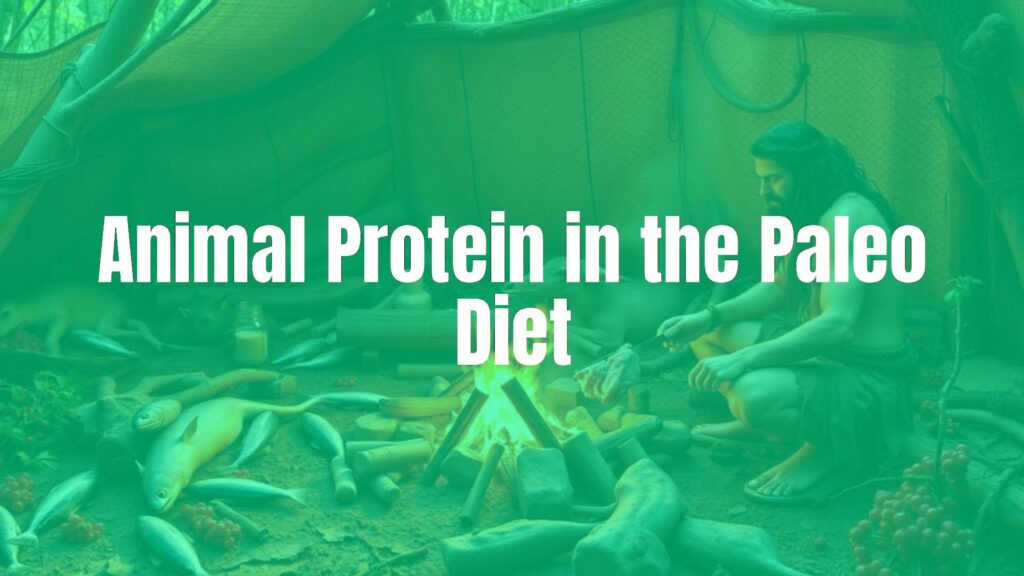
The Paleo diet, also known as the “caveman diet” or “Stone Age diet,” is based on eating foods similar to those eaten by humans during the Paleolithic Era, which lasted from about 2.5 million to 10,000 years ago. This eating style focuses on foods that could be hunted or gathered by our ancestors, making animal protein one of its main features. The Paleo diet became widely known around the world and was the most searched diet online in 2014. Supporters believe that eating more animal protein, similar to our ancestors, leads to benefits like better blood sugar levels, improved heart health, and help with weight control. The main reason for focusing on animal protein is the idea that our bodies became used to these foods due to their central role in early human diets.
What Does Animal Protein Mean in the Paleo Diet?
In the Paleo diet, animal protein means getting your protein directly from animals, and eating it in forms that haven’t been heavily changed or processed. This is quite different from some modern diets that include lots of processed protein powders or rely mainly on plant-based protein. Instead, the Paleo diet suggests eating things like lean meats, fish, shellfish, and eggs, just like our Paleolithic ancestors would have found through hunting or fishing. The idea is that these foods give our bodies the nutrition they need in the way nature intended.
Importance of Protein in the Paleo Diet
Protein is a key part of the Paleo diet. Dr. Ashley DeKam, N.D., C.H.S., points out that getting the right balance of nutrients, especially protein, is needed to be healthy. Protein helps grow muscle, heal and build tissues, make hormones, and support many other body processes. In the Paleo diet, protein is seen as much more than just something for muscle-it is a basic part of keeping the body working well. The focus is on eating this important nutrient from whole-food sources that match what people ate for thousands of years.
Why Animal Protein Gets So Much Attention in Paleo
Animal protein is important in Paleo eating because it’s packed with nutrients and easy for the body to use. According to food experts at the United Nations, animal proteins like meat and eggs contain nutrients that plant foods do not offer as easily. Animal proteins are “complete,” meaning they contain all nine essential amino acids-the ones your body can’t make by itself. These proteins are also great sources of important fats, selenium for fighting inflammation, heme-iron to help avoid anemia, zinc for your immune system, and B12 for energy and cell health. While plants have protein, you often have to mix several types and eat a lot more to get the same benefits. For example, you’d need to eat over 26 ounces of broccoli to match the protein in 3.5 ounces of cooked steak. This shows why animal protein is viewed as a more efficient choice in the Paleo diet.

Which Animal Proteins are Included in the Paleo Diet?
The Paleo diet favors animal proteins that would have been available to hunter-gatherers in nature. Fresh, minimally processed meats, poultry, seafood, and eggs form the basics. The important thing is to choose foods that are as natural as possible and avoid products from animals treated with hormones, antibiotics, or unnatural feeds.
Meat: Beef, Pork, Lamb, and Wild Game
Cuts of beef, pork, and lamb are staple options in Paleo, as well as wild meats like venison and bison. The diet recommends choosing meat from grass-fed or wild animals, which tend to have a better balance of healthy fats (more omega-3s and less omega-6s) compared to most farm-raised animals. Leaner cuts are usually suggested. Pork should be without added sugars or nitrates. These kinds of meat supply complete protein, iron, zinc, and B vitamins, all of which help with energy and overall health.
Poultry: Chicken, Turkey, and Similar Birds
Chicken, turkey, and other birds such as duck are also key choices in Paleo. The preference is for free-range or pasture-raised birds, which means they lived in better conditions and ate a more natural diet. These birds supply lean protein without as much fat as some other meats. Including different types of poultry helps keep nutrition varied.
Seafood: Fish and Shellfish
The Paleo diet values seafood, especially fattier fish, because of their omega-3 fatty acids, which are good for the brain and can help reduce inflammation. Wild-caught salmon, mackerel, and trout are top choices. Shellfish like shrimp also fit well in this meal plan. Fish and shellfish provide not only protein, but also nutrients such as iodine, selenium, and vitamin D, which are important for health.
Eggs: A Nutrition Powerhouse
Eggs are a favorite in the Paleo diet. They give you all the essential amino acids you need and are rich in choline (for brain health), lots of vitamins including B12 and D, and minerals like selenium. Choosing eggs from pasture-raised or omega-3 supplemented hens is recommended for the best nutrition. Plus, they’re easy to cook and can be eaten at any meal.

How Much Animal Protein Should You Eat on Paleo?
While animal protein is central, the Paleo diet supports balance and does not suggest eating unlimited amounts. How much you need depends on how active you are and your personal health needs, but there are some general guidelines to follow.
Typical Portions and How Often to Eat Animal Protein
For many people on Paleo, a good starting point is to eat a serving of animal protein about the size of your fist at each main meal. This keeps you full longer and gives your body what it needs throughout the day. On Paleo, protein usually makes up about 19-35% of total calories. For athletes, a recommendation is 1.2-2.0 grams of protein per kilogram of body weight each day, mostly from lean meats.
| Meal | Recommended Animal Protein Portion |
|---|---|
| Breakfast | 1 palm-sized serving |
| Lunch | 1 palm-sized serving |
| Dinner | 1 palm-sized serving |
Combining Animal Protein with Other Paleo Foods
The Paleo approach is not just about meat, but a balance that includes plenty of colorful vegetables, some fruit, nuts/seeds, and healthy fats with every meal. For example, a Paleo meal might include lean steak with steamed broccoli and a salad, and a handful of berries for dessert. This balance adds fiber, vitamins, and minerals, while the protein supports muscle and overall health.
How Does Animal Protein Help Health on the Paleo Diet?
High-quality animal protein brings several health benefits when you follow Paleo guidelines. These benefits reach far beyond basic nutrition.
Helps Build and Repair Muscle
Protein, especially from animal sources, is needed to build and fix muscles. If you are active, or just want to keep your body strong, eating enough animal protein helps grow lean muscle and repair cells more quickly after exercise or daily activities.
Supports Strong Bones
Animal proteins like meat, fish, and eggs contain minerals (like calcium) that are easily absorbed by our bodies and help build strong bones. This keeps your skeleton healthy and reduces the chance of injury or bone problems later in life.
Boosts Brain Function
Good sources of animal protein provide nutrients like essential fats, B12, and choline that are important for brain health. These nutrients can help improve mood, memory, and clear thinking. Research has linked better protein sources in the diet with improvements in mental health, like less anxiety or depression.
Helps Control Hunger and Weight
Animal protein makes you feel full, often more than carbohydrates or fats, so you’re less likely to overeat or snack too much. This effect supports healthy weight loss and helps prevent weight gain because you are more satisfied after meals.
Rich in Key Nutrients
Animal proteins are rich in essential vitamins and minerals, like heme-iron (which is easier to absorb than plant iron), zinc, B12, and healthy fats. Since your body absorbs these important nutrients better from animal foods, you get more health benefits from each meal.

Can Eating Animal Protein on Paleo be Problematic?
Paleo eating is mostly safe for many people, but there are a few things to keep watch for, especially if changing your diet style.
Digestive Issues and Adjusting to Paleo
If you suddenly eat a lot more animal protein and fiber, you could have digestive trouble like bloating or constipation, especially if you’re switching from a diet low in these foods. It’s helpful to ease into changes, drink enough water, and include lots of different vegetables for fiber. Choosing less fatty, easier-to-digest cuts of meat also helps.
Concerns About Fat and Cholesterol
Some people worry about eating more saturated fat and cholesterol from animal foods. However, many studies show that meat from grass-fed or wild animals has a better balance of healthy fats. Paleo eating also avoids most refined foods and processed meats, which can help reduce any risks typically linked to saturated fat in the context of a healthier overall diet. Still, quality matters-choosing grass-fed or wild-caught proteins is best.
Finding Quality Animal Protein
Where your animal protein comes from makes a difference. Paleo recommends meat, poultry, and eggs from animals raised outdoors on a proper diet (grass-fed, pasture-raised, wild-caught). Standard farm-raised meat often contains antibiotics, hormones, or unnatural ingredients, and may be less nutritious. High-quality options are more expensive, but they help you get the most benefit and avoid problems linked to lower-quality, processed meat.
| Animal Protein Source | Recommended Choice | Avoid |
|---|---|---|
| Beef & Lamb | Grass-fed, wild | Feedlot, grain-finished |
| Poultry & Eggs | Pasture-raised | Conventional, caged |
| Fish & Seafood | Wild-caught | Farmed, processed |
How Does Animal Protein in Paleo Compare to Other Diets?
The Paleo diet’s focus on specific animal protein sources makes it stand out compared to other common eating plans.
Paleo and the Standard Western Diet
The typical Western diet includes a lot of processed meats (like sausages, cold cuts, and fast food meats), plus plenty of dairy and legumes as protein sources. Paleo, on the other hand, sticks to simple, whole animal proteins such as grass-fed meats, free-range poultry, fish, and eggs. It also cuts out dairy and legumes, as well as processed meat substitutes, leading to a cleaner nutrient profile with fewer additives and better-quality proteins.
Paleo vs. Plant-Based Diets
Vegetarian and plant-based diets rely on proteins from beans, grains, nuts, seeds, and vegetables, avoiding or reducing animal foods. While you can combine plant foods to get all the necessary amino acids, it can mean eating a larger volume of food. Animal proteins pack in more nutrients per bite, especially things like heme-iron and vitamin B12, which are found mainly in animal foods. Paleo argues that animal proteins are easier for your body to use, making them a more effective way to meet your nutrition needs if you include them.

Sample Paleo Meal Plan with Animal Protein
It’s easy to plan satisfying Paleo meals centered around animal protein, blended with fruits, vegetables, nuts, and good fats. Here’s one example of what a day could look like:
| Meal | Menu |
|---|---|
| Breakfast | Eggs scrambled with spinach and peppers in olive oil; fresh apple or mixed berries. |
| Lunch | Chicken salad (olive oil, mixed greens, walnuts); serve in lettuce cups or as a big salad. |
| Dinner | Lean beef roast with steamed broccoli; green salad with tomato, avocado, onions, and almonds, dressed with lemon; fresh strawberries for dessert. |
Snack Ideas and Simple High-Protein Paleo Recipes
- Hard-boiled eggs: Quick and easy snack full of protein and healthy fat.
- Almonds or mixed nuts: Provides protein and healthy fat, but watch your portion since nuts are calorie-dense.
- Grilled chicken or leftover steak: Makes a fast snack or easy lunch.
- Celery with almond butter: Offers a crunch and some protein together.
- Small portion of wild salmon or tuna: Extra omega-3 and protein boost between meals.
Simple recipes include bunless burgers, beef and veggie stir-fries, baked fish with root vegetables, or grilled chicken wings with homemade salsa.
Animal Protein and Paleo: Common Questions
Are Processed Meats Allowed on Paleo?
Usually not. Paleo recommends staying away from most processed meats such as store-bought bacon, sausage, deli meats, and hot dogs, since they often have added sugar, nitrates, preservatives, and other ingredients our ancestors wouldn’t have eaten. The focus should stay on whole, natural cuts of meat, poultry, and fish. Very strict versions of Paleo may allow certain artisan meats without additives, but these are rare exceptions.
Does Paleo Include Dairy Protein?
No. Standard Paleo excludes dairy foods like milk, yogurt, cheese, and whey protein powder, since dairy is a more recent addition to the human diet. Some people who follow the “Primal” version of Paleo might include items like grass-fed butter, ghee, or full-fat yogurt, but most Paleo plans leave out dairy-especially if you’re sensitive to it.
How Do You Pick Sustainable, Ethically Raised Animal Proteins?
To match Paleo principles, try to choose animal protein that’s healthier for both you and the planet. Here are some tips:
- Look for grass-fed and finished beef/lamb. This means the animals ate grass their whole lives and their meat is higher in good fats.
- Pick pasture-raised poultry and eggs. These animals had more access to the outdoors and a varied diet, which makes their meat and eggs more nutritious.
- Choose wild-caught seafood. It’s less likely to contain antibiotics or artificial coloring. Look for labels showing the fish was caught using safe and responsible methods.
- Buy from local farmers or markets. Ask questions about how animals are raised-you’ll often find better quality and support your local community.
- Check for third-party certifications. Labels showing care for animal welfare and the environment can help guide your choices at the grocery store.

Main Points on Animal Protein in the Paleo Diet
Including animal protein in the Paleo diet is about more than just eating meat-it’s about going back to the basic foods that have supported human health for a very long time. By choosing natural, unprocessed animal foods, you get a full package of nutrients your body needs-from strong muscles and bones to healthy brains and energy. Sourcing animal foods from grass-fed, pasture-raised, or wild-caught sources adds to their benefits and supports better farming and environmental practices. This approach also invites you to pay attention to where your food is coming from and to make more thoughtful decisions about what you eat. The Paleo focus on animal protein serves as a reminder of our connection to the way humans ate for thousands of years, often leading to greater health and nutritional balance.
