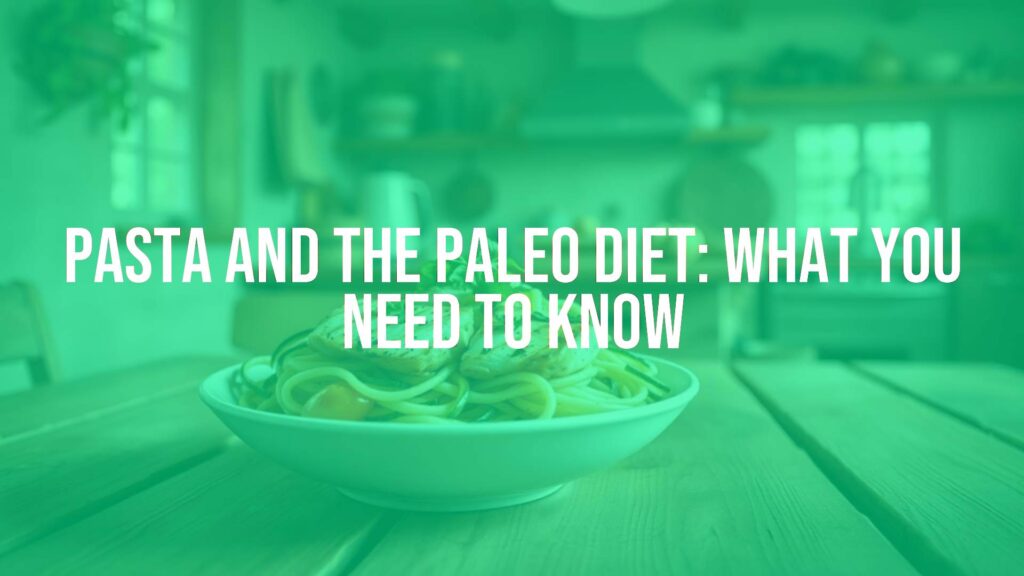
Pasta and the Paleo Diet: Can It Be Included?
Pasta is a common staple in many cuisines around the world, loved for its versatility and comforting texture. However, its compatibility with the Paleo diet is a frequent point of confusion for newcomers and seasoned Paleo enthusiasts alike. In this article, we’ll unpack whether pasta aligns with Paleo principles, explore the reasons for its typical exclusion, and suggest Paleo-approved alternatives for those seeking similar flavors or textures.
Core Foundations of the Paleo Diet
The Paleo diet emphasizes eating foods that our ancestors hunted or gathered during the Paleolithic era. This approach prioritizes whole, unprocessed foods such as meats, fish, vegetables, fruits, nuts, seeds, and healthy fats. At the same time, it avoids items introduced through agriculture and industrial processing—particularly grains, legumes, dairy products, refined sugars, and artificial additives. The goal is to support optimal health by focusing on foods presumed to be most in harmony with our evolutionary biology.
Examining Pasta: Is It Compatible with Paleo?
Traditional pasta is generally not considered Paleo-friendly. Classic pasta noodles are made primarily from wheat or other grains—sometimes with the addition of eggs or water. Since the Paleo diet specifically excludes all types of grains (including wheat, semolina, rice, and corn), pasta does not align with Paleo guidelines. Additionally, many commercially available pastas contain additives, preservatives, or enriched flours, which are further at odds with the Paleo emphasis on minimally processed foods.
Even gluten-free pasta alternatives are typically made from non-Paleo ingredients such as rice, corn, or legumes, and thus are also not suitable for a strict Paleo approach.
Why Pasta Is Excluded from the Paleo Diet
The main nutritional concern with pasta within the context of Paleo is its grain-based origin. Grains contain compounds like gluten, phytic acid, and lectins, which some Paleo proponents believe can impair digestion, interfere with nutrient absorption, and contribute to inflammation in sensitive individuals. Pasta is also relatively low in nutrient density compared to the whole, unprocessed foods featured in the Paleo diet. Its high carbohydrate content, particularly in refined forms, can lead to blood sugar spikes and does not support the nutrient-rich, balanced approach advocated by Paleo principles.
Paleo-Approved Alternatives to Pasta
If you’re craving a comforting bowl of noodles or pasta dishes, there are creative Paleo substitutes that can fill the gap while still adhering to ancestral eating patterns. Spiralized vegetables like zucchini (“zoodles”), sweet potato, or butternut squash make excellent replacements that mimic the shape and texture of traditional pasta. Spaghetti squash is another favorite, producing natural strands after roasting. These alternatives pair well with classic pasta sauces, protein sources, and vegetables to create satisfying, balanced Paleo meals.
How to Avoid Pasta and Similar Products on Paleo
Staying true to the Paleo diet means being vigilant about pasta and its derivatives, especially when eating out or purchasing packaged foods. Always check ingredient lists for hidden grains or wheat products. Pasta can appear in salads, soups, casseroles, or under different names (like orzo, couscous, and noodles). Seek out menu items that focus on whole cuts of meat and vegetables, and don’t hesitate to ask for vegetable-based substitutes in restaurants.
Frequently Asked Questions About Pasta in Paleo
Can I eat gluten-free pasta on Paleo?
No. While gluten-free pasta does not contain wheat gluten, it is typically made with grains or legumes (like rice or corn flour), both of which are excluded from the Paleo diet.
Are there any store-bought Paleo-friendly pasta options?
A few specialty brands now make noodles from 100% vegetables (such as spiralized zucchini) or grain-free, additive-free blends (like pure cassava or sweet potato). Be sure to review ingredient lists to ensure strict Paleo compliance.
Is chickpea or lentil pasta Paleo-compliant?
No. Pulses and legumes—including chickpeas and lentils—are not included in the Paleo diet due to their phytonutrient and lectin content.
What sauces can I enjoy with Paleo pasta substitutes?
Most tomato-based sauces, olive oil dressings, and homemade pestos (without cheese) are Paleo-approved. Pair with vegetables, herbs, and quality animal proteins for a balanced meal.
Summing Up: Pasta and Paleo Eating
To conclude, traditional pasta is not compatible with the Paleo diet due to its grain-based ingredients and refined carbohydrate content. However, the good news is that there are numerous creative, wholesome alternatives that allow you to savor similar dishes without breaking Paleo guidelines. By focusing on vegetables and minimally processed foods, you can easily enjoy meals reminiscent of pasta while staying true to ancestral nutrition principles.
